'The next step in an immunological journey of discovery' – Professor Frédéric Triebel, Immutep
Professor Frédéric Triebel discovered the role of LAG-3, a T-cell co-inhibitor, contributing to immunotherapy in oncology. His company Immutep is now working on a LAG-3 agonist antibody for the treatment of autoimmune diseases. CHDR conducted the first-in-human studies.
The story of LAG-3 goes back to the late 1980s, around the time that CHDR was founded. In this era of major discoveries in T-cell immunology, Dr Triebel headed the cellular immunology group at the Institut Gustave Roussy, a leading oncology centre near Paris, France. ‘We knew about the T-cell receptor and also co-stimulatory molecules like CD4, that increase T-cell receptor signalling. But nobody knew how T cells were being inactivated.’ Triebel and his colleagues were the first to clone the Lymphocyte Activation Gene (LAG-3) and demonstrate that it is related to CD4 and exerts a co-inhibitory effect when it is stimulated alongside the T-cell receptor. Later, similar inhibitory mechanisms were discovered, which are now commonly known as ‘immune checkpoints’, one of the cornerstones of current-day cancer immunotherapy.
Immutep
In the 1990s, Triebel continued to work at the Institut Gustave Roussy on the complex immunology of T cells and the role of LAG-3 in this. In 2001, he founded the company Immutep with the aim of bringing the fruits of his scientific work to patients. In the meantime, recognition for his work grew, mainly because similar mechanisms were found in mice. ‘At that time, immunology was almost entirely focused on mice, so it was only then that international research really took off’, Triebel explains. Immutep's first compound is eftilagimod alfa, a soluble form of LAG-3 that has a stimulating effect on antigen-presenting cells. This drug is now being tested in clinical studies in human cancer patients.
Autoimmune diseases
With the new LAG-3 agonist antibody, which was first administered to humans in 2025 in Dr Matthijs Moerland's Immunology Group, Immutep is targeting a whole new group: patients with autoimmune diseases. Immunologically, the use of a LAG-3 agonist is a promising strategy that acts powerfully at the site of inflammation and should have relatively few undesirable side effects.
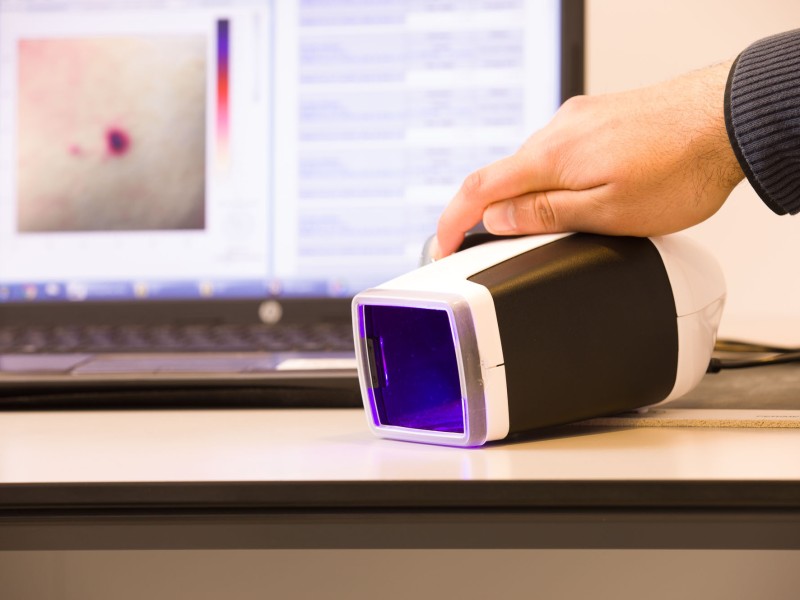
Triebel: 'It took some time before we had an agonist that worked well. For me as an oncologist, treating autoimmune diseases is a whole new field. But we hope that this will enable us to make a significant contribution to the treatment of autoimmune diseases. We enjoy working with Matthijs Moerland's group because they have already done a lot of work on T-cell immunology, with the KLH challenge model that can already demonstrate effects in healthy study participants. The great thing about the KLH challenge model is that it works in the skin, i.e. in an organ and not just in the blood. And CHDR can monitor the immune response in the skin with reliable measurements and also measure the cells and cytokines in suction blisters. We enjoy working with CHDR; it is a very friendly and committed organisation. We are currently looking forward to the results of the study, so we can decide if and how we move on with this first-in-class compound.’
Interested in learning more?
More articles from Developing drugs